

Which Outdoor Gas Patio Heater Should You Choose?
A gas patio heater will increase the utility of your outdoor space, regardless of whether you choose sleek and space-saving models or freestanding pyramid heaters. Which one should you select then?
There are many factors to consider, such as fuel cost and availability in your venue, as well as the amount of heat you require. Read on to learn more.
Size
A gas-powered outdoor patio heater will improve the functionality of your furniture and will help you extend the hours that you can enjoy your outdoor space. These heaters are available in a broad range of styles, sizes, and power outputs based on the fuel type (natural gas or propanol). There are wall-mounted models as well as ceiling-mounted models available.
The majority of outdoor patio heaters require a separate propane or propane LPG gas cylinder in order to function. This is typically stored within the base of the heater or in freestanding models in a dedicated cannister that is positioned beneath the unit. Some models can be connected to gas supply pipes directly into your home. This requires a fixed installation done by a professional.
In some instances there may be a hose connected to the gas regulator on the gas cylinder and the patio heater. This allows you to disperse the gas through the heater in a safe and controlled manner. The patio heater's instruction manual will state the size and type of gas cylinder is required. The manual will usually state whether the heater operates with propane or propane LPG. patio gas heater for sale is because the two fuels operate at different pressure levels and are not interchangeable without changing the gas regulator in the cylinder.
Patio heaters can be positioned on the ground or on a stand or on the tabletop. They come in a variety of designs to complement your outdoor decor. They also create stunning flames, which can add a primitive and natural aesthetic.
A gas patio heater that is permanently affixed to a ceiling or wall typically has a control system with an on/off switch, dimmer switch, and remote control. The controls will vary depending on the model, but they must be easy to use and flexible for your outdoor heating requirements. No matter what model you choose, make sure there is enough space between the heater and any flammable material. Always consult the manufacturer's guidelines for advice on this.
Design
Many homeowners are able to afford outdoor patio furniture and a nice deck or veranda to soak up the sun however, they might find that when temperatures drop, they are forced to stay inside. Gas patio heaters can help prevent this by allowing homeowners to use their outdoor space during winter and fall.
There is a variety of models on the market each having its own pros and cons. Different heaters are required based on the kind and size of the space to be heated.
The classic mushroom-shaped natural gas or propane heater is among the most popular types of outdoor patio heaters. The heaters are positioned on a pole with the burner that heats the air before radiating it through a perforated filter. A reflector atop the burner reflects the heat back upward, which reduces heating costs by reducing wasted energy.
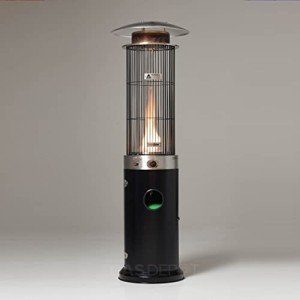
The patio heaters are known to most people because they are used in restaurants to keep their outdoor dining areas warm and comfortable when the temperatures drop. These units are also available for home use and are an affordable way to extend the use of a deck or patio.
Certain models are freestanding, and some are mountable on a wall or ceiling. The advantage of the free-standing heaters is that they can be moved to a new spot as people move around the patio. This flexibility is especially useful in commercial areas, where people are moving around throughout the day. The heating can be adjusted to accommodate the movement of employees as well as guests.
Another alternative is an overhead commercial outdoor heater that can be installed into a flat ceiling. These models are perfect for patios with minimalist designs. They require low clearances. They can be powered by natural gas or propane and are made of stainless steel to prevent corrosion in harsh environments.
If the patio has a natural gas supply, a permanent propane or natural gas heater is more suitable than a portable heater. They are simple to install and can be adjusted in height and do not require any additional maintenance other than routine cleaning. They are also safer than electric models, as there is no risk of carbon monoxide poisoning.
Fuel
The performance of an outdoor gas patio heater is determined by the type of fuel that it is using. It also affects the cost and ease of use. The most common types of propane-powered patio heaters include propane, natural gas and electric. Natural gas patio heaters are ideal for businesses with a permanent gas supply. Propane models are portable and easy to set up because they utilize large propane tanks.
Gas patio heaters can provide heat to up to 215ft2 and are renowned for their high temperature output. These heaters are usually comprised of burners that are mounted on poles, which use propane, butane or LPG, which is liquefied. (LPG). The flames heat a perforated screen, which emits heat. A reflector on top of the burner helps reduce the loss of heat by reflecting infrared radiation back toward the heater and surrounding areas.
Modern patio heaters are usually designed with an eye for aesthetics they seamlessly blend into luxury outdoor living spaces and complementing architectural styles. Certain patio heaters utilize infrared energy which is more energy efficient due to the fact that it warms objects and people directly instead of the air. This makes them more efficient and effective, as it's less impacted by the wind that can interfere with traditional heating methods.
The Bromic Tungsten Smart-Heat Overheard gas patio heater, for example, utilizes a highly advanced infrared system that offers instant and steady warmth. The warmth of the space can be enjoyed without having to get up from your seat or table. Furthermore, this heater is engineered to work in windy conditions by incorporating wind resistance features.
A quality gas patio heater can enhance the outdoor dining and drinking experience by providing a warming center point that stifles the chilly night air and creates an inviting place to gather. Whether customers are drinking at the bar or a dining out on the patio, a gas heater will make them feel at ease and stay longer which makes it a worthwhile investment for any business. With a variety of sizes, shapes and functions to pick from, there's sure be the perfect outdoor gas heater for any setting.
Safety
It is crucial to select an outdoor heater that is safe and well-constructed. Choose models with UL and CSA certifications, and features like tip-over switches and auto shutoffs. Propane heaters must be equipped with a thermocouple, which monitors the flame and then shuts off the propane flow when it is unable to detect the flame. Those that use natural gas must have a professional run an gas line to the heater from the main residence or another source of natural gas in the property.
Propane and natural gas patio heaters release carbon monoxide. Therefore, they should only be used outdoors or in a semi-closed space to avoid the accumulation of deadly gas fumes in your home. A vent or chimney should also be in place to ensure proper ventilation. Carbon monoxide poisoning can also occur when using propane tanks inside a sealed space or indoors. Verify the expiration date and replace it regularly.
It is important to follow the manufacturer's specifications for clearance. This includes ensuring that your gas patio heater has been properly ventilated. These specifications are usually provided in the product's manual or the brief, and must be followed closely to avoid fire hazards. If you're uncertain about the clearance requirements for your space, visit the manufacturer's website or contact them directly.
Another important safety measure is to maintain a gas heating system for your patio clean. Make sure to remove any flammable objects that are accumulating near your patio heater and regularly clean the surrounding areas. A cover for your heater at the patio provides an additional layer of protection against debris, insects, and water that can damage the unit.
It is also essential to set your patio heater on a stable surface such as wood or concrete. If it's a freestanding heater, it should be secured to the ground with tie-downs during stormy conditions to minimize the chance of falling over or damaging the structure. It's also an ideal idea to keep a fire extinguisher within reach in the event incidental. A class B or class C extinguisher is recommended for outdoor heaters.